3D Printing Technologies

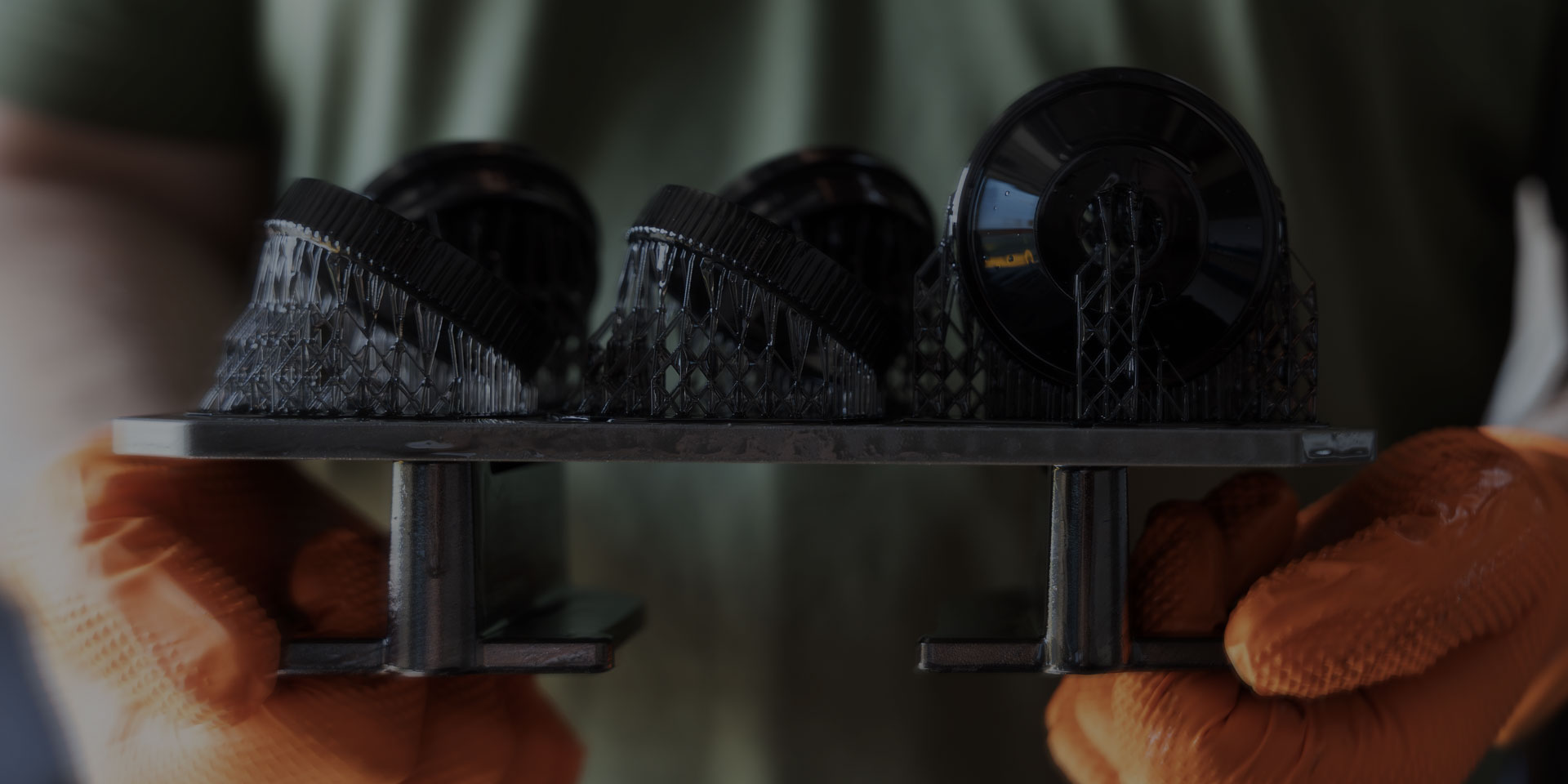
SLAStereolithography

Stereolithography (SLA) is a 3D printing technology that solidifies photopolymer resins with a UV laser, offering very high surface definition and fine detail — ideal for aesthetic prototypes and master models.

Approfondisci

3D Printing Technologies

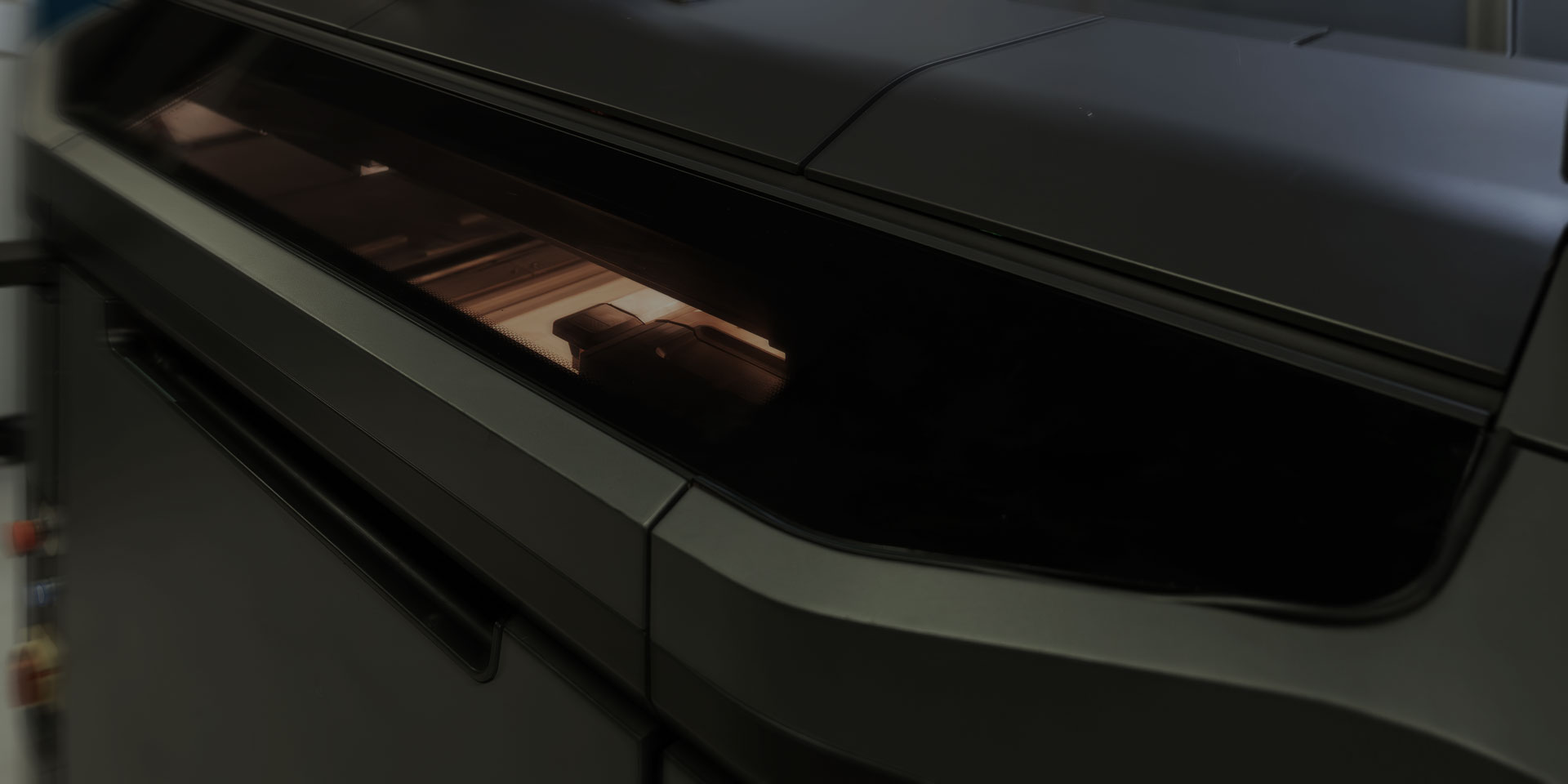
MJFMulti Jet Fusion

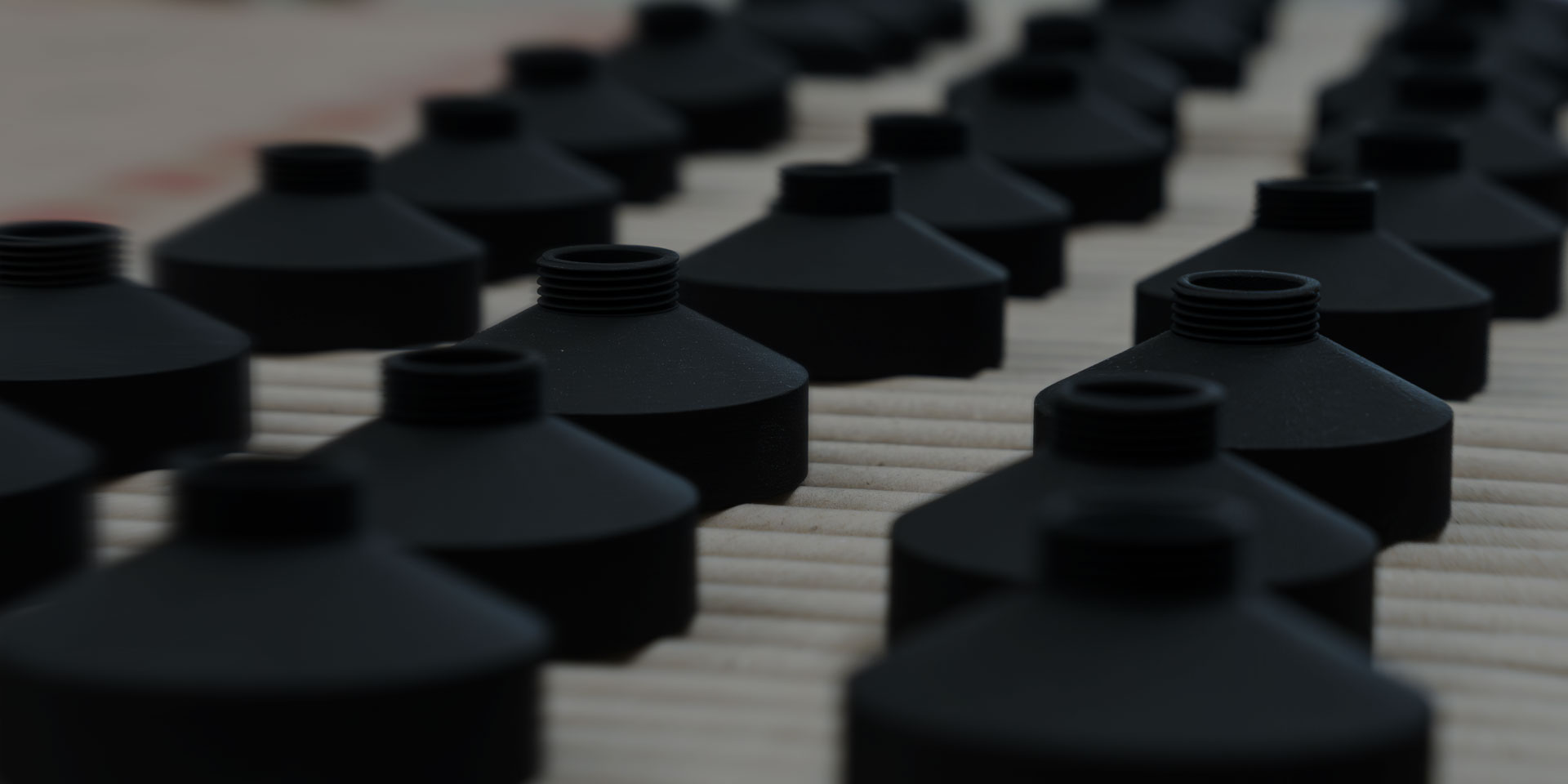
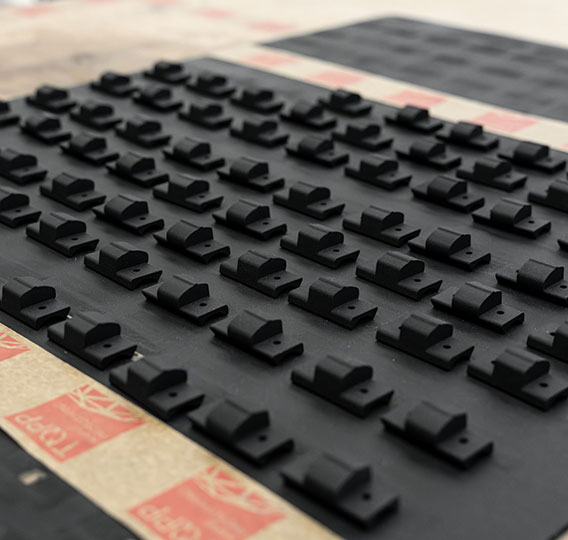
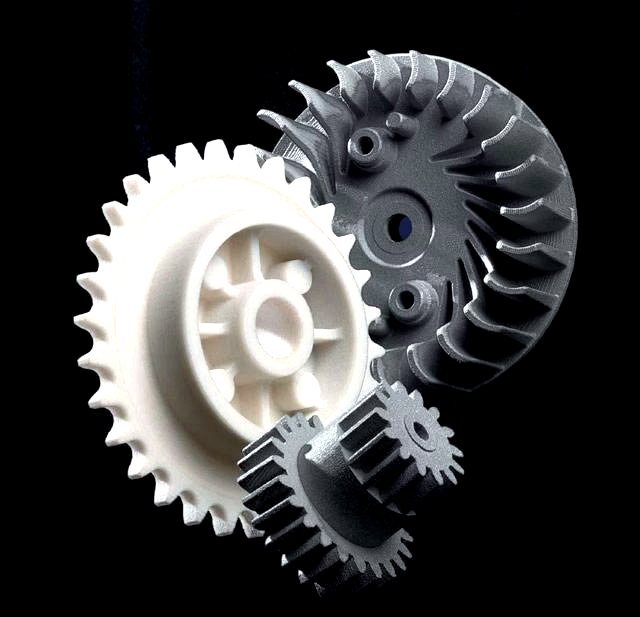
Multi Jet Fusion (MJF) is an HP powder-bed 3D printing technology that fuses PA12 polyamide powder layer by layer using fusing agents and infrared heat, producing strong, near-isotropic functional parts with fine detail, ready for mechanical testing and short-run production.

Approfondisci

3D Printing Technologies

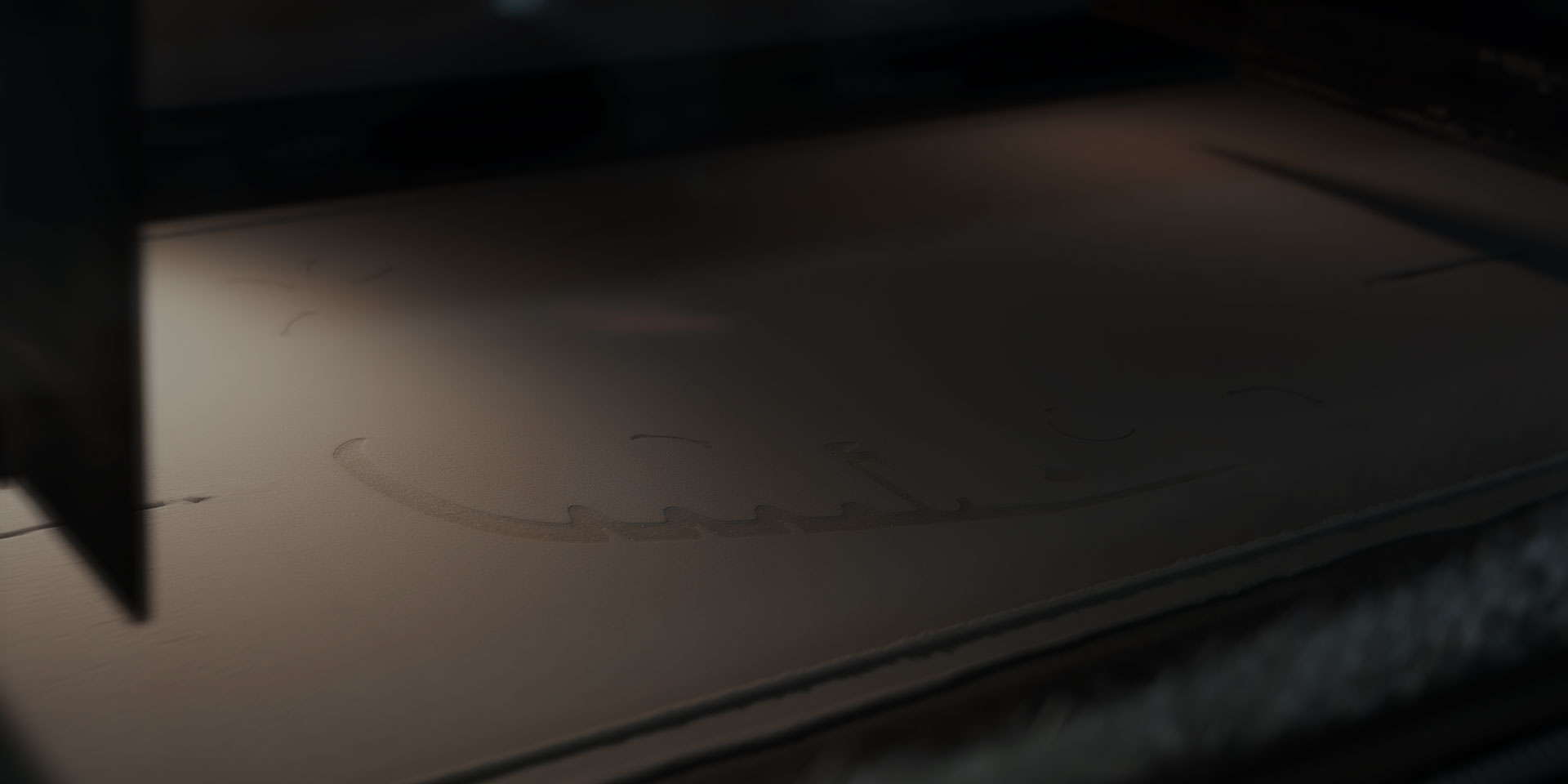
SLSSelective Laser Sintering

Selective Laser Sintering (SLS) is a 3D printing technology that uses a laser to selectively fuse polyamide powder layer by layer; the unsintered powder acts as support, allowing complex geometries without additional structures.

Approfondisci

3D Printing Technologies

DLPDigital Light Processing

Digital Light Processing (DLP) is a 3D printing technology that cures resin by projecting the whole cross-section of each layer with a light source, delivering fine detail and good build speed.

Approfondisci

3D Printing Technologies

FDMFused Deposition Modeling

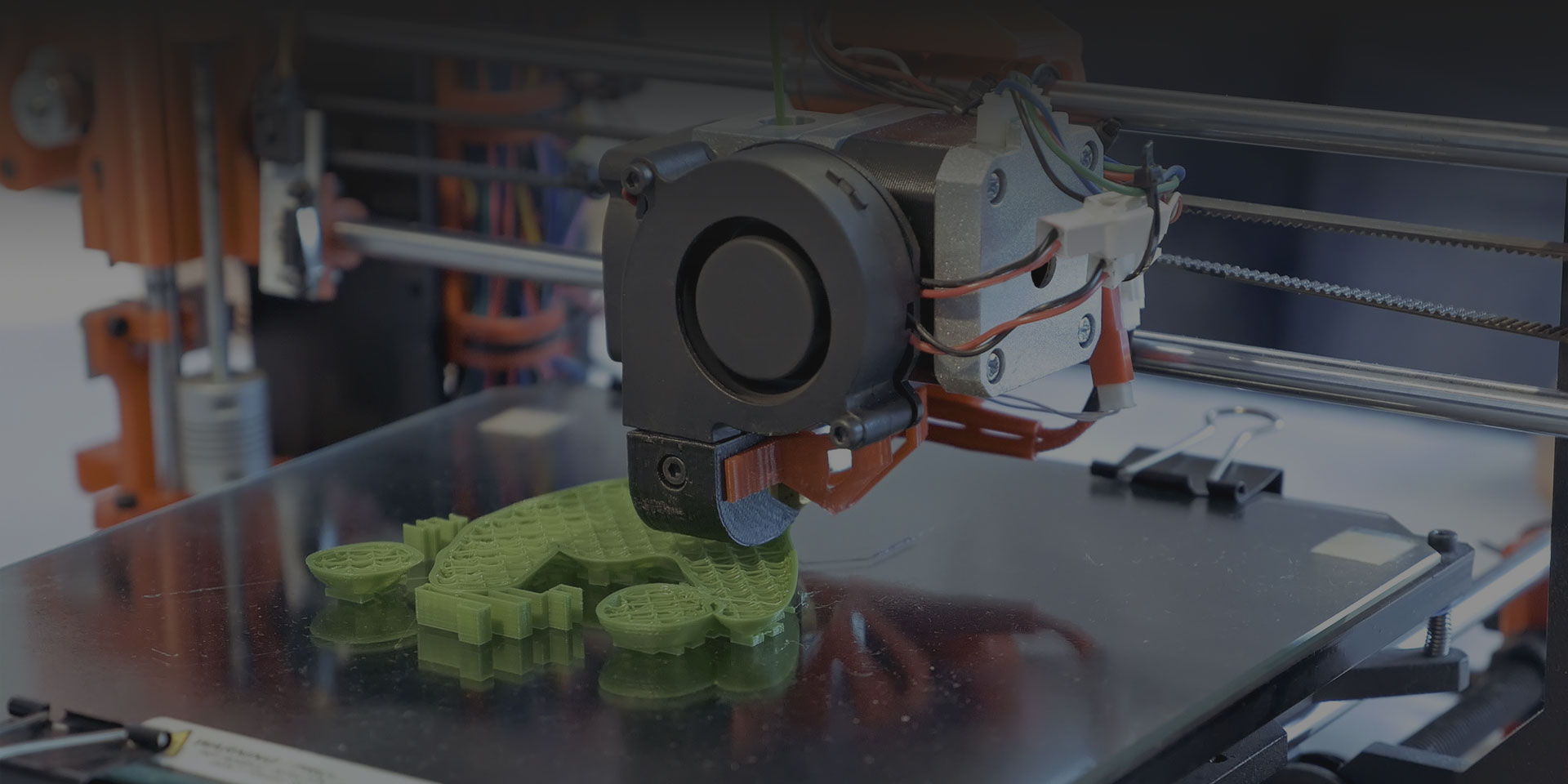
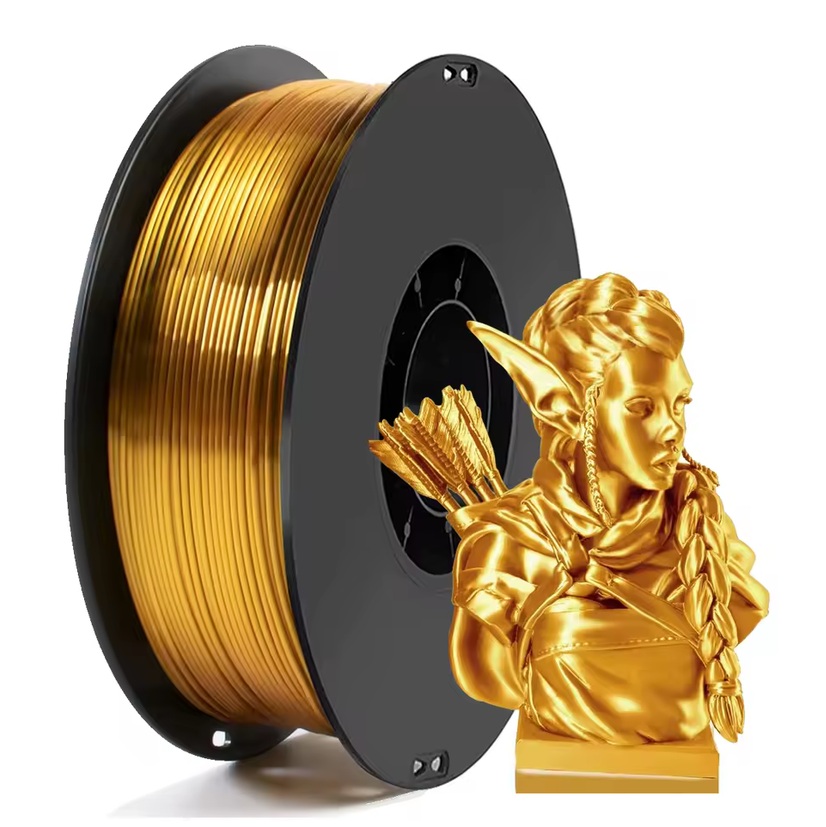
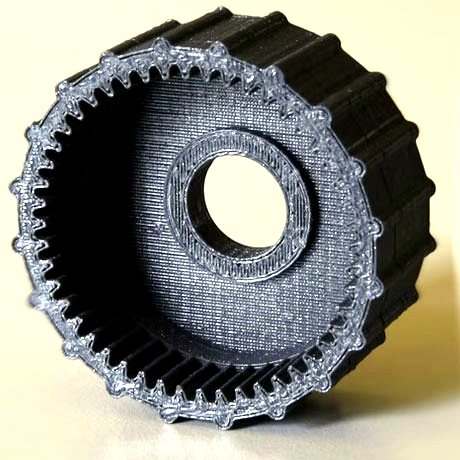
Fused Deposition Modeling (FDM) is a 3D printing technology that extrudes molten thermoplastic filament layer by layer; it is the fastest and most economical route to concept and functional prototypes in a wide range of materials and colours.

Approfondisci

3D Printing Technologies

Silicone Moulds

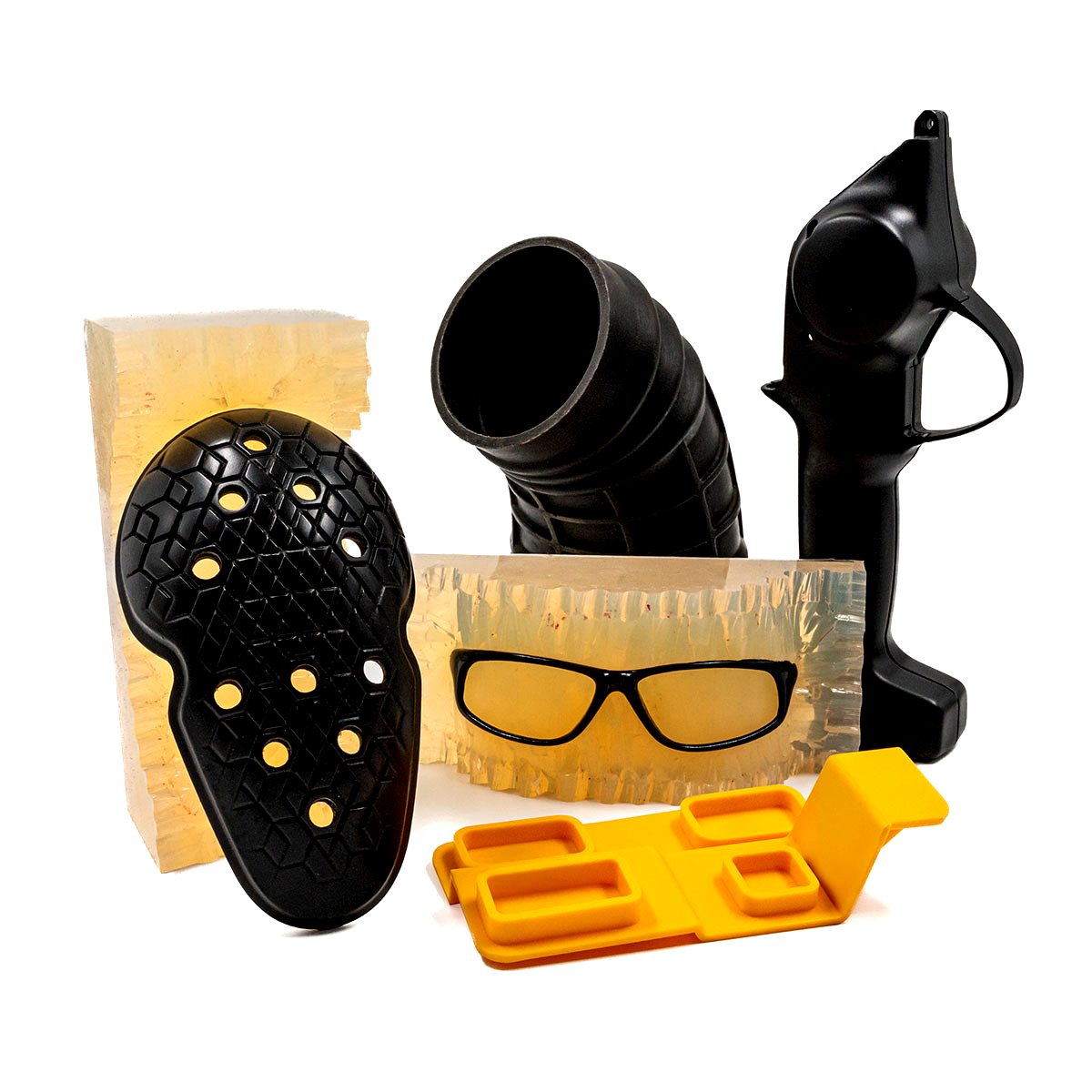
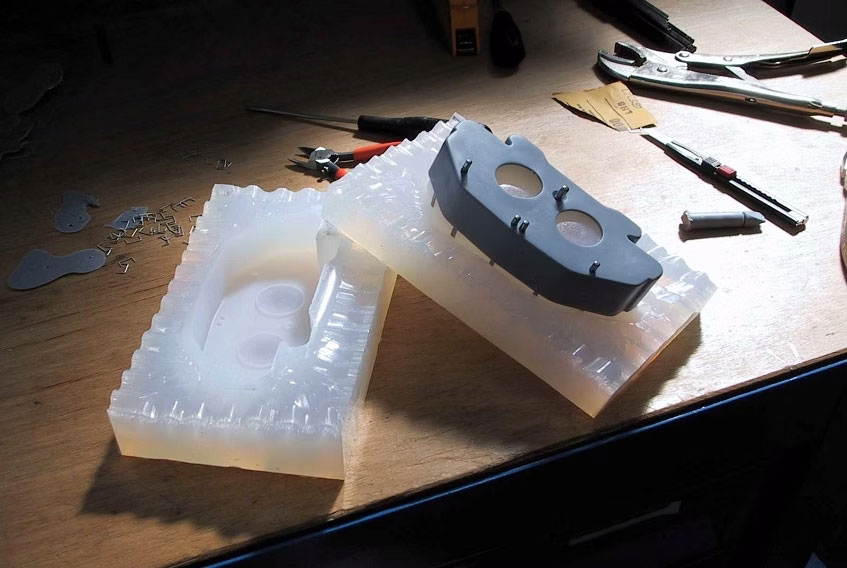
Silicone moulds enable vacuum casting of polyurethane resins from a master model, reproducing small batches of parts with aesthetic and mechanical properties close to the production material.

Approfondisci

3D Printing Technologies

Pilot MouldsPre-series and pilot moulds

Pilot (or rapid) moulds are pre-series tooling made with additive and fast-machining technologies, designed to produce small batches in the final material and validate moulding before investing in a production mould.

3D Printing Technologies

Post-Processingpost-print operations and finishing

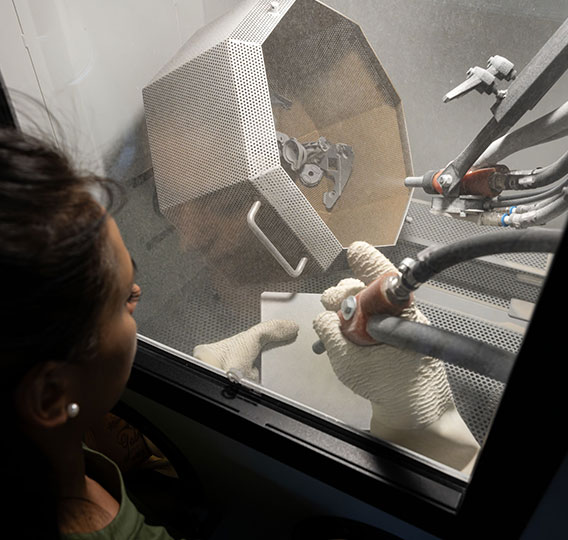
Post-processing covers the finishing operations applied to parts after 3D printing — sandblasting, sanding, painting, metallisation, dyeing and bonding — that improve aesthetics, function and strength to the required final result.

Approfondisci

TOPP | Rapid Prototyping

Rapid prototyping and industrial 3D printing


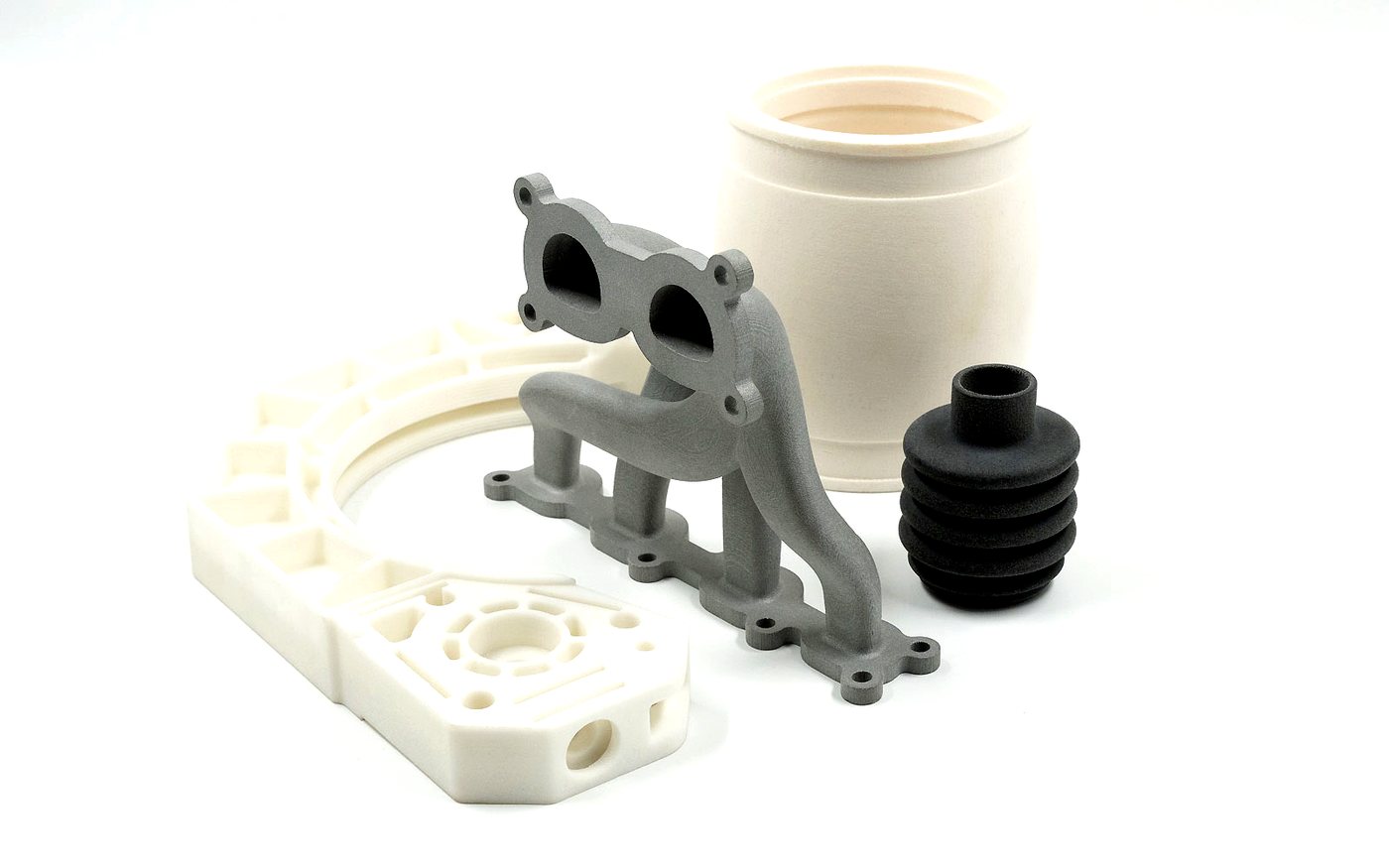
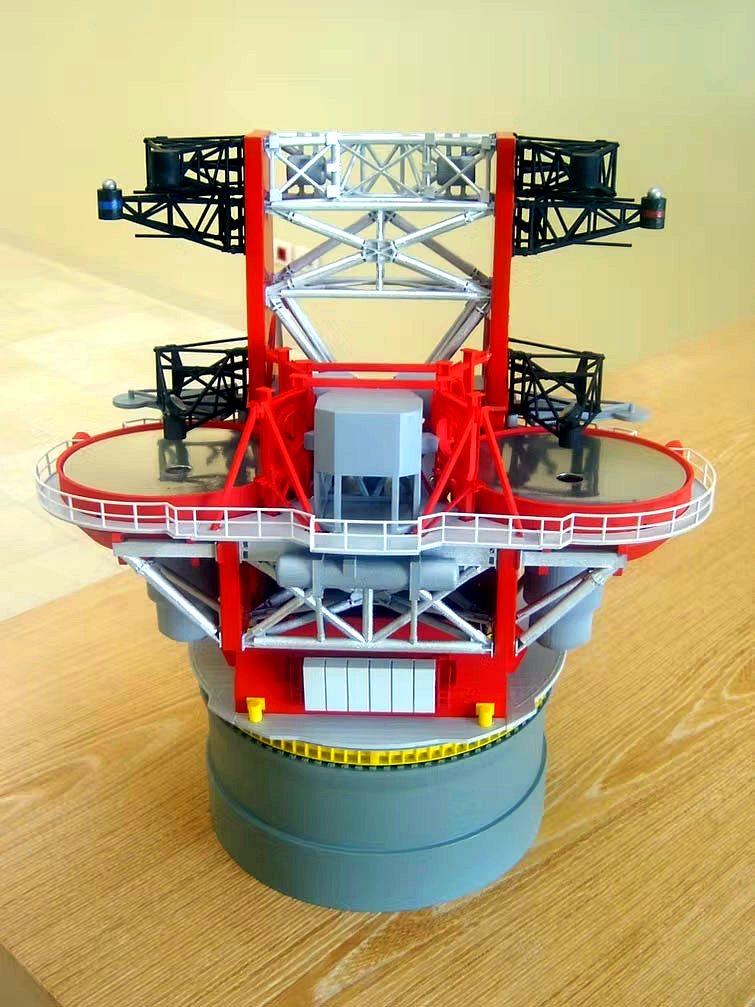
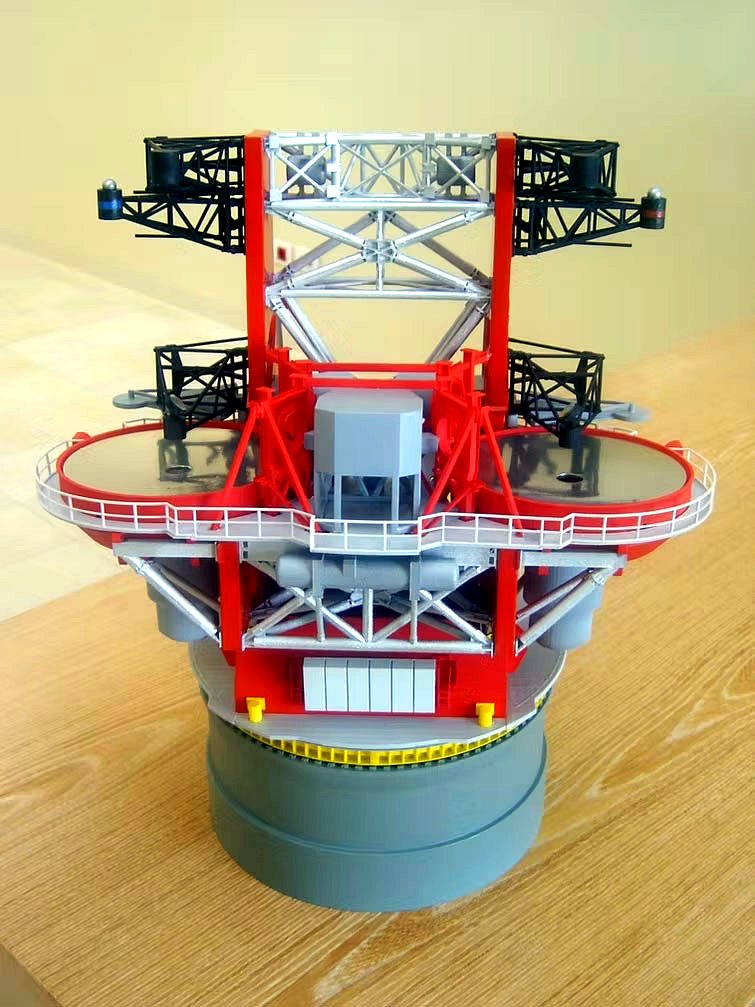
At TOPP Rapid Prototyping — the division of TOPP S.r.l. dedicated to rapid prototyping — we have spent over thirty years giving shape to ideas. We design and produce prototypes and functional parts using 3D printing, a path we began back in 1996, when these technologies were still taking their first steps. Over time we have built a genuinely complete technology park, today spanning Multi Jet Fusion and SLS, SLA and DLP, through to FDM and the production of silicone moulds: different technologies that we choose case by case according to what the project requires. Alongside all this we handle design entirely in-house, because we believe that controlling the whole process truly makes the difference. That is how we turn an idea, even a rough sketch, into a physical model you can rely on: faithful, repeatable and ready to be put to the test in the field. And when you need to think big, we don't stop: we can produce models up to 3000 mm long in a single piece,without any bonding whatsoever.
Technologies