
What Fused Deposition Modeling is
FDM (Fused Deposition Modeling) — also called FFF (Fused Filament Fabrication) when the registered Stratasys trademark is to be avoided — is the most widespread 3D printing technology. The principle is simple: a thermoplastic filament is pushed, melted and deposited layer upon layer to build the object from the bottom up.
The heart of the system is the extruder. A motor pushes the filament — typically PLA, PETG, ABS, ASA or TPU — through a hotend that takes it above its melting temperature (around 200 °C for PLA, 240–260 °C for ABS and ASA). The molten material exits a calibrated nozzle, usually 0.4 mm, and is laid onto a build plate that is often heated to improve adhesion and avoid warping. The head moves on the XY axes to draw the perimeter and infill of each layer; a step on the Z axis (the layer, typically 0.1–0.3 mm) prepares the next level, and each new layer partly fuses with the one below, creating the structural bond.
Why choose it
FDM is chosen when speed, low cost and breadth of material choice matter more than a flawless finish. It is the most economical process, handles technical and functional materials — including carbon- and glass-fibre fills and flexible filaments — and needs none of the resin-and-alcohol post-processing typical of SLA and DLP.
The trade-off is resolution and mechanical behaviour. Layer lines stay visible and the finish is rougher than with resin technologies. Above all, the part is anisotropic: much stronger in the XY plane than along Z, because inter-layer adhesion is weaker than continuous material — so print orientation determines where the part will fail under load. You also have to consider the warping of high-temperature materials such as ABS and ASA — which contract as they cool and tend to lift at the corners, which is why they often require an enclosed chamber, whereas PLA suffers little — and the need for supports on overhangs beyond ~45°.
Typical applications
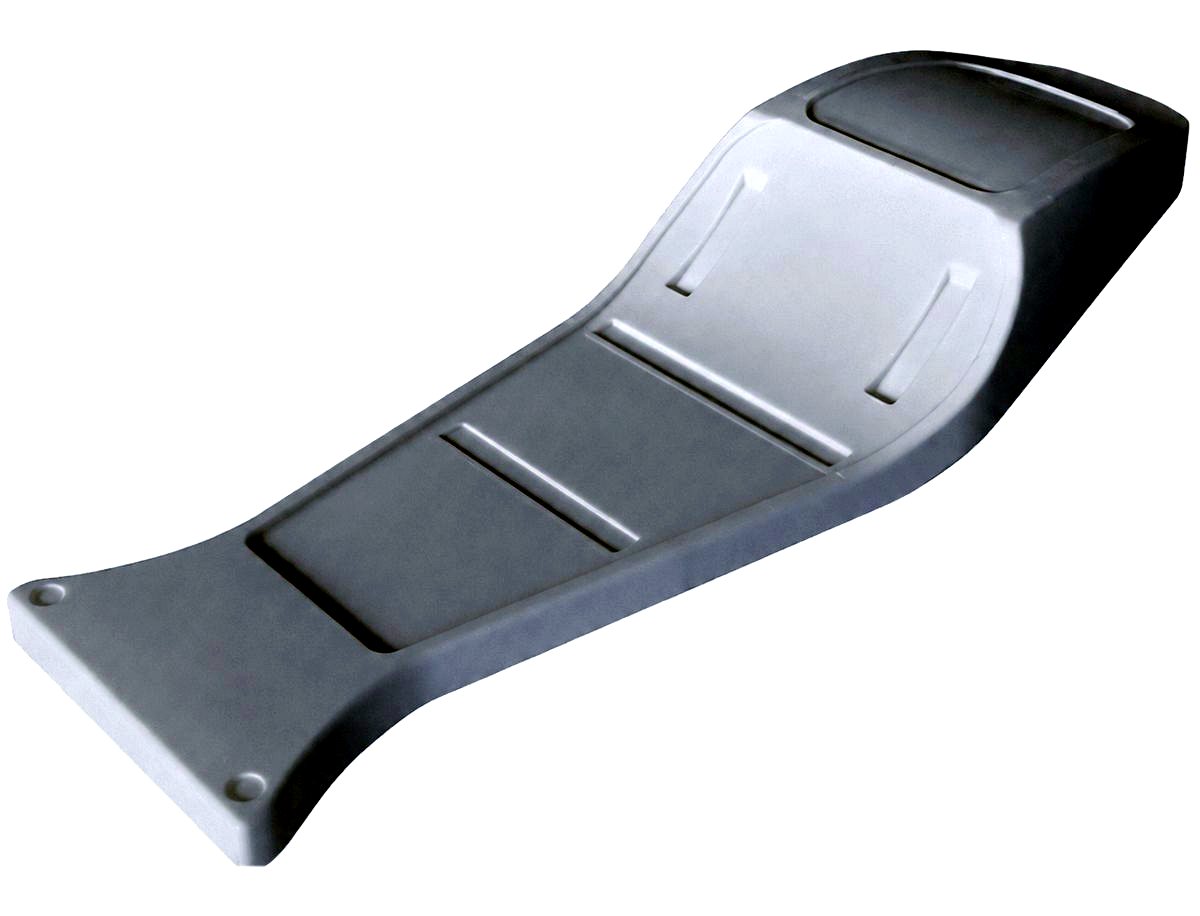
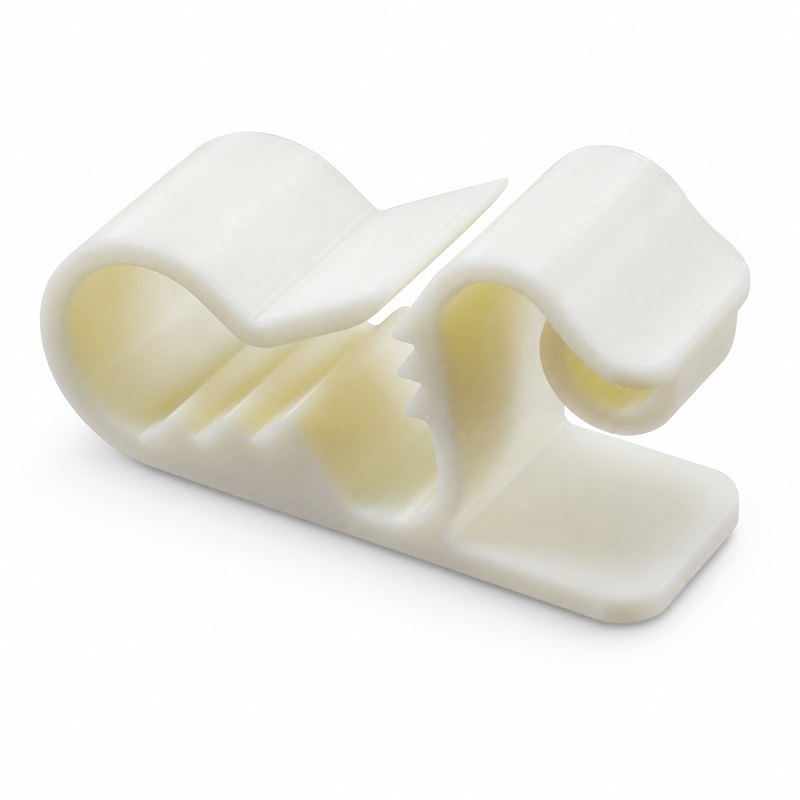
FDM is the fastest, most economical route to concept and functional prototypes. Typical cases are form-and-fit models, functional prototypes to be tested mechanically, brackets, jigs and production fixtures, large parts where other technologies would cost too much, and components in technical materials (flexible or filled) that are not easily produced in resin. In general, any context where cost, speed and material versatility matter more than a fine finish.