Printing technology for ABS
ABS is mainly 3D printed using FDM (Fused Deposition Modeling). This method uses a thermoplastic filament that is melted and deposited through a nozzle, building the model layer by layer.
 IT
ITAcrylonitrile-butadiene-styrene (ABS) is a common thermoplastic polymer used to make light, rigid objects and as a housing for electrical and electronic assemblies. ABS is a copolymer of styrene polymerised with acrylonitrile in the presence of polybutadiene, so it can be defined as a terpolymer.
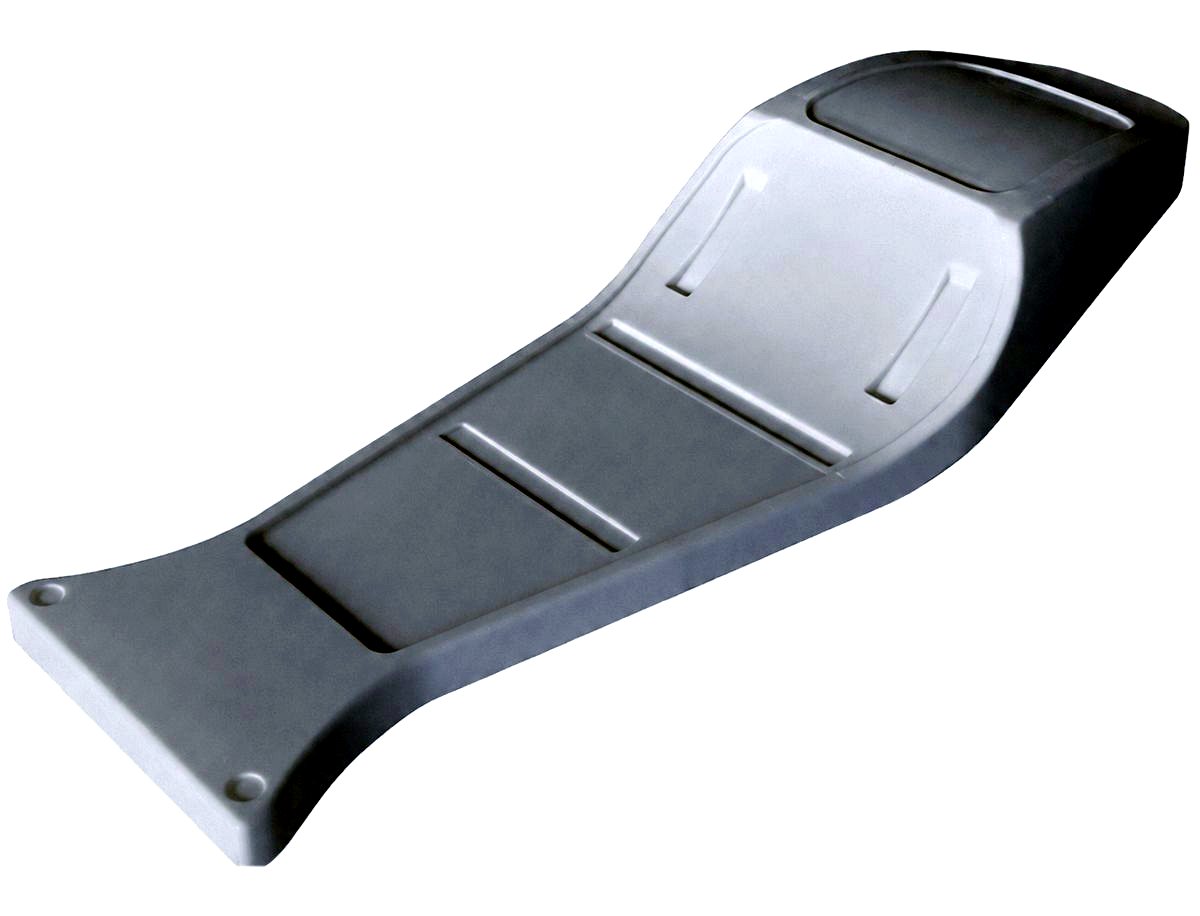
ABS is mainly 3D printed using FDM (Fused Deposition Modeling). This method uses a thermoplastic filament that is melted and deposited through a nozzle, building the model layer by layer.
ABS plastic is made of three components: acrylonitrile, butadiene and styrene. Acrylonitrile (15-35%) contributes chemical resistance, thermal stability, hardness and fatigue resistance. Butadiene (5-35%) provides toughness, impact resistance and low-temperature ductility. Styrene (40-60%) adds rigidity, processability and a glossy surface finish.
No, ABS generally has poor weather resistance, especially to UV. It offers good resistance to moisture and rain, but prolonged exposure to sunlight UV leads to yellowing, degradation and embrittlement. To prevent this, ABS needs UV stabilisers, specialised coatings or carbon black. Surface degradation usually does not affect its structural strength.
Last updated: 12/06/2026