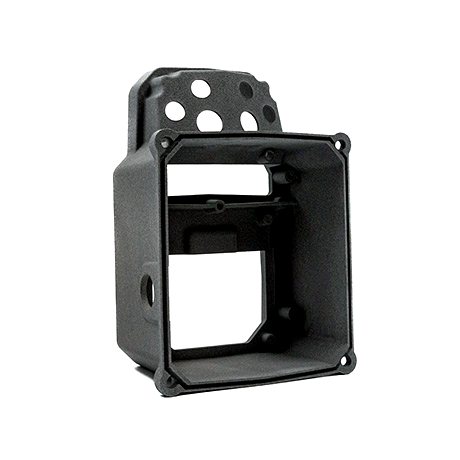
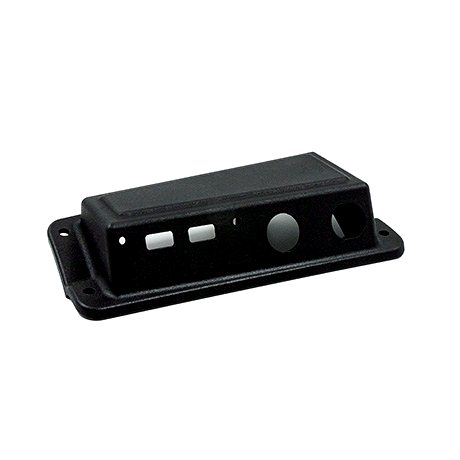
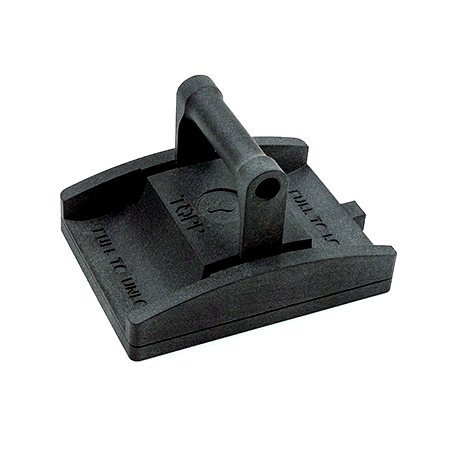
Pilot (or rapid) moulds are pre-series tooling made with additive and fast-machining technologies, designed to produce small batches in the final material and validate moulding before investing in a production mould.
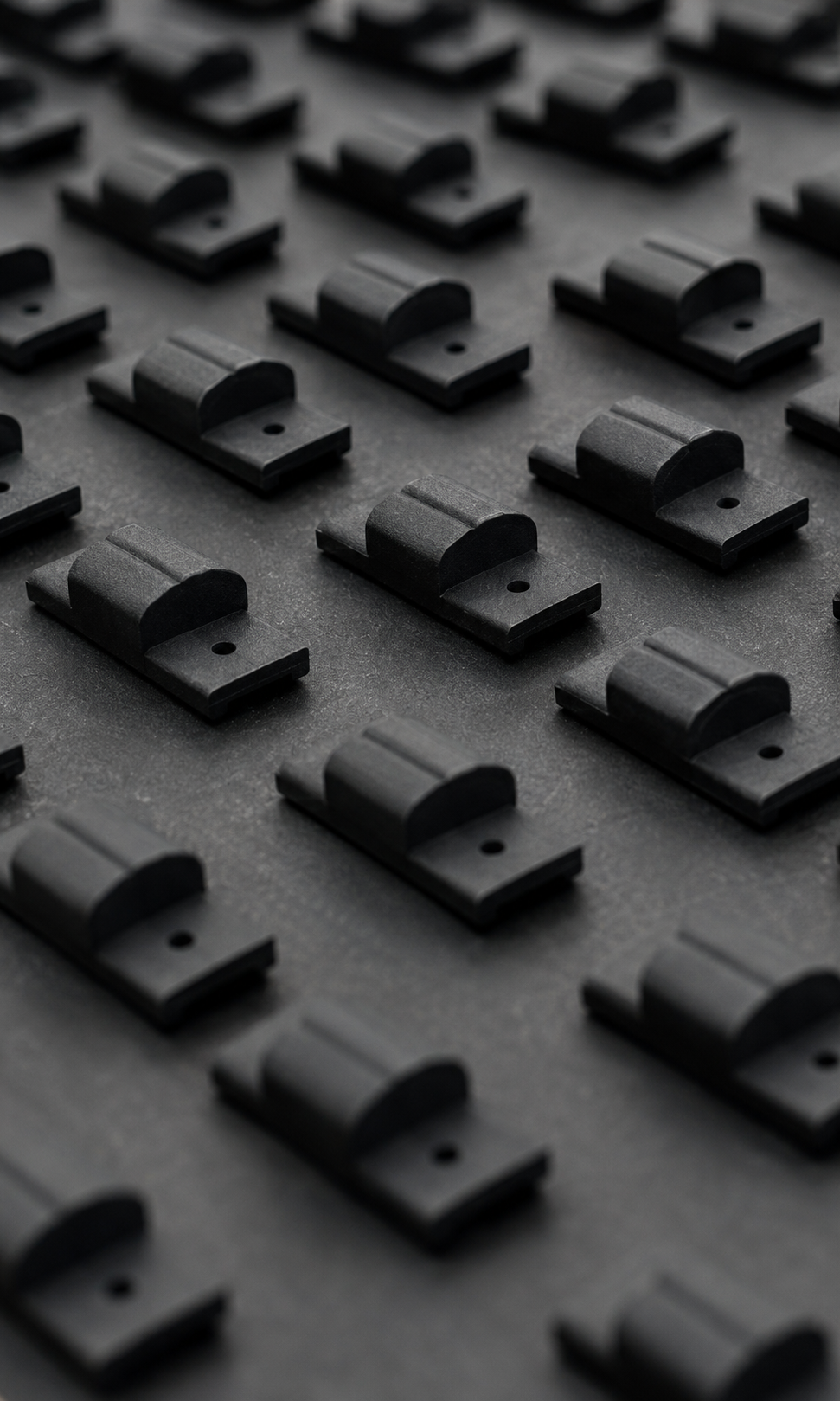
What pilot moulds are
Pilot moulds — also called rapid moulds — are pre-series tooling made with fast methods (additive technologies and rapid machining, often in aluminium or resin rather than hardened steel) to produce small batches already in the final material. They serve to validate moulding before committing to the far more expensive and lengthy investment of a production mould.
Why choose them
They are chosen when you need to verify a product on real moulding while reducing risk and cost. With a pilot mould you produce parts in the final material and check mouldability, tolerances, shrinkage and function: if problems emerge, correcting them on rapid tooling costs a fraction of modifying a production mould. They also cover the time window while the final mould is still being built — so-called bridge production — and let you test several design variants at contained cost before freezing the project.
Typical applications
Pilot moulds are typical of the industrialisation phases: pre-series production for certifications and market tests, functional validation on parts in the final material, bridge production while awaiting the production mould, and comparison of design variants before freezing the design. In general, any situation where it pays to “try small” in the real material before investing in the final tooling.
FAQ
What is a pilot mould for?
To produce small quantities of parts in the final material and to verify mouldability, tolerances and function before building the production mould, reducing risk and cost.
What is the difference between a pilot mould and a production mould?
Materials, life and cost differ. The pilot mould is made with rapid methods (often aluminium or resin) for hundreds or a few thousand cycles, with reduced time and cost; the production mould is in hardened steel, designed for millions of cycles but with far greater investment and lead time.
What material are the parts made in?
In the final production thermoplastic. That is the point: the parts are representative of the final product, so functional trials, tests and certifications truly count.
How many parts does a pilot mould produce?
Roughly from a few dozen to a few thousand, depending on the mould material, the part geometry and the abrasiveness of the polymer. It is designed for pre-series batches, not for mass production.
What advantages does it offer in time and cost?
It lets you have moulded parts in a short time and at a fraction of the cost of a production mould, and to correct any mouldability or tolerance problems while changing them is still cheap — reducing the risk of the final investment.